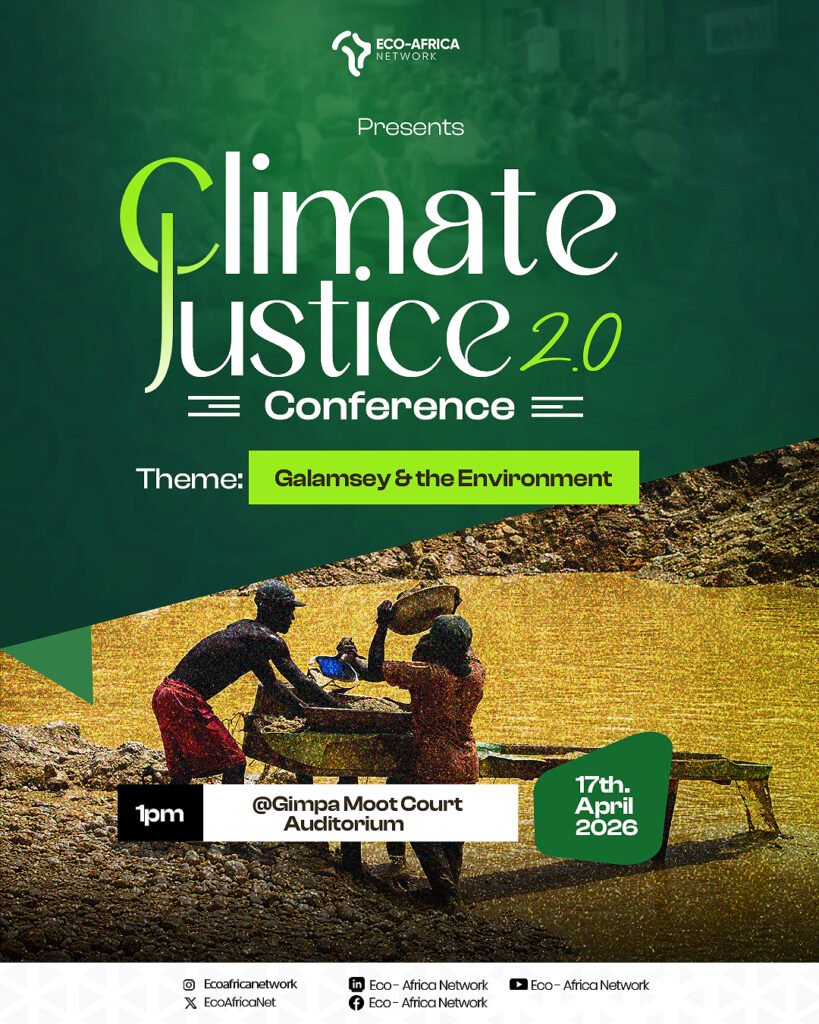
ECO-AFRICA TO HOST CLIMATE JUSTICE CONFERENCE 2026
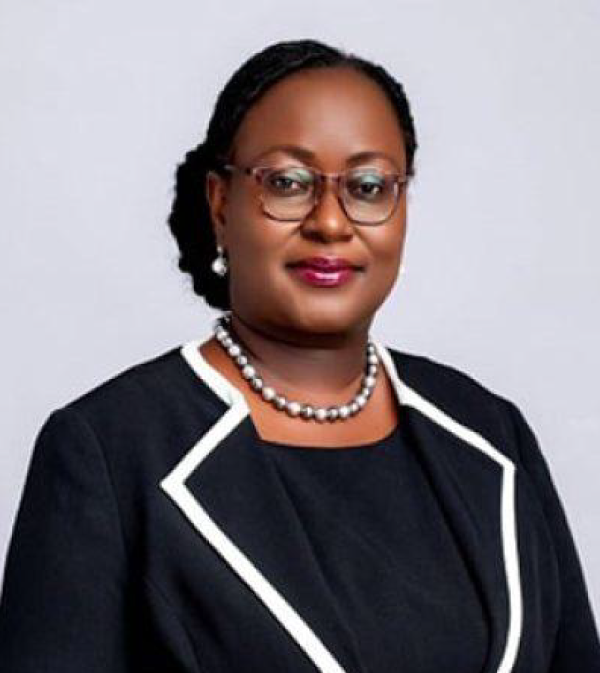
Prof. Augustina Akonnor
Dean of Students and Head of International Programs, GIMPA
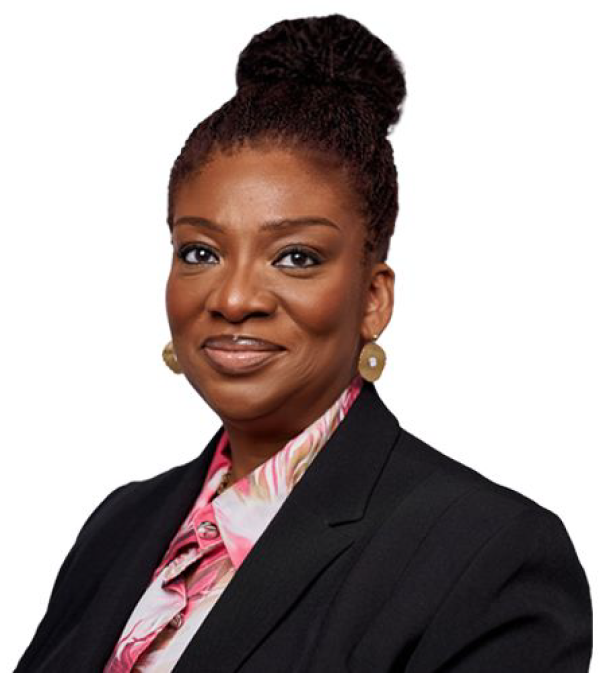
Pearl Esua-Mensah
Executive Director, Ghana Climate Innovation Center
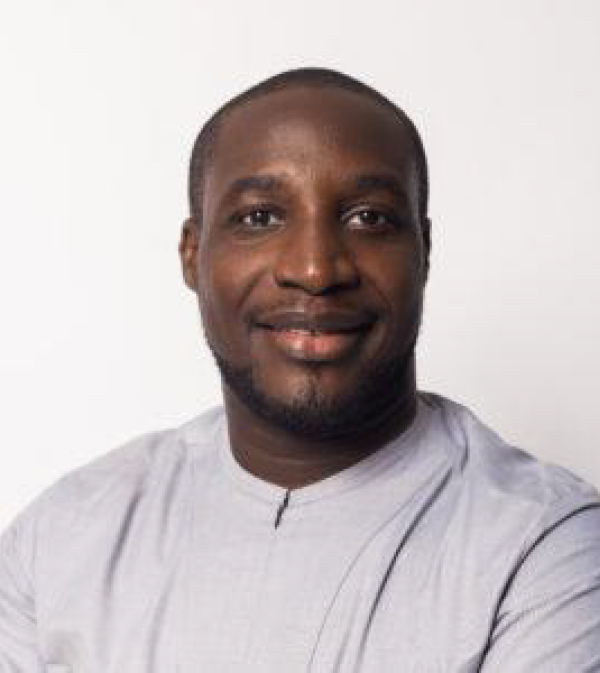
George Boateng
Senior Policy Analyst, Africa Center for Economic Transformation.
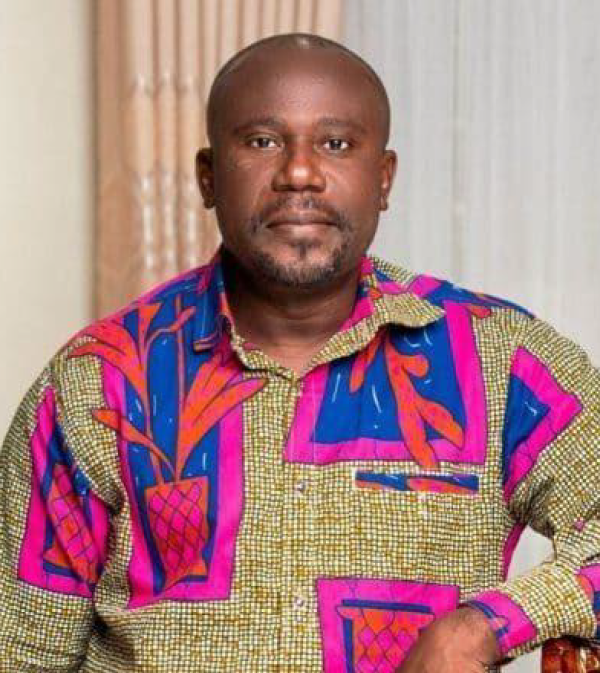
Prof Samuel Kweku Bonsu
Rector, GIMPA
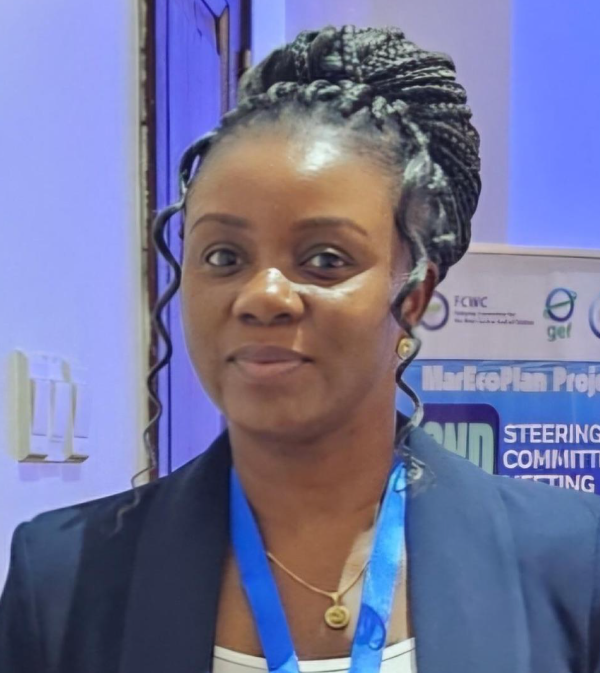
Dorcas Agyei
National Co-ordinator , IUCN Ghana
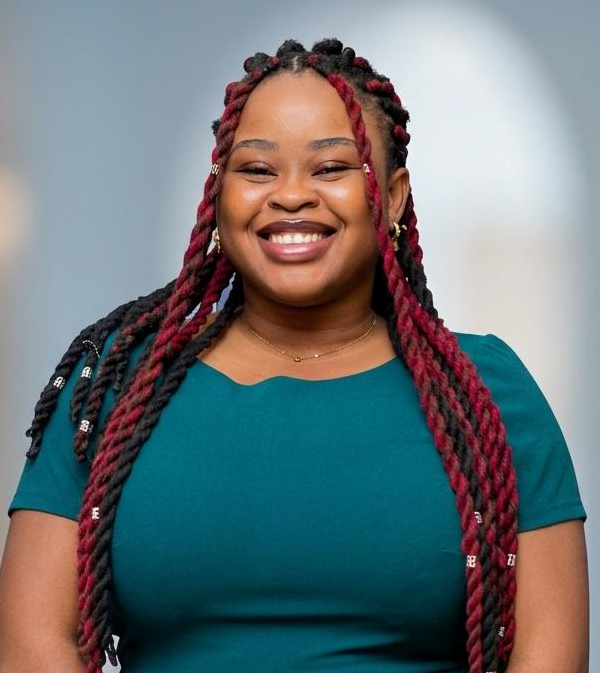
Jessica Johnson
ReMI

Noah Bugre
UNIYIA
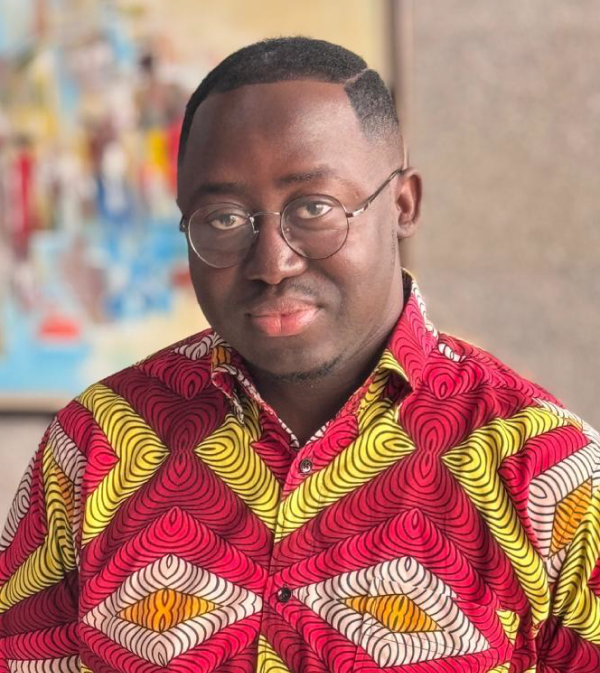
Maxwell Asare Boateng
Rep from Stop Ecocide International

Gifty Owusu
Head of Sustainability, Prudential Life Insurance
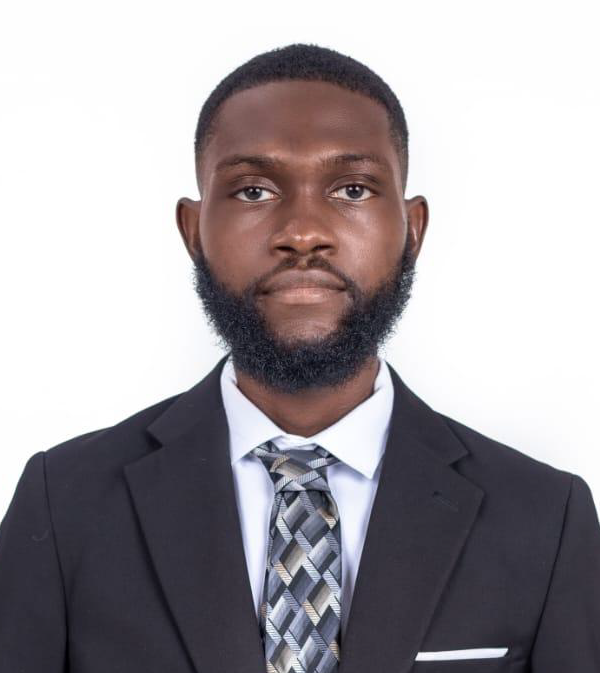
Kojo Edumadzie Quayson
GIMPA LSA, Vice President/ President of the GIMPA Moot Socety

Kra Arthur
IMC Chairperson, Sustainability Club, GIMPA

Dr. Khartey Sowah
Founder, CESSMA

Georgina Boamah
Verte Tower

Michael Papa Nii Ashalley
Climate Communications Specialist
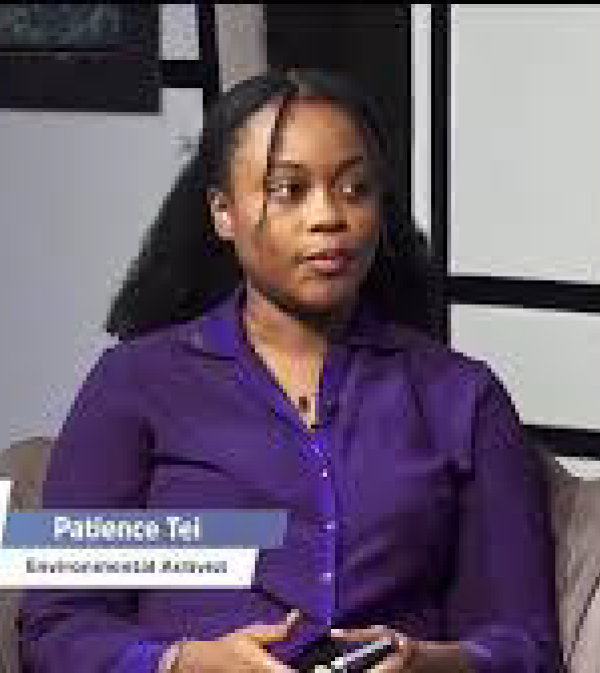
Patience Tei
Climate Activist

Vera Apeakorang
Co-Founder, CESSMA

Samuel Kwame Atamudzi
GIMPA SRC President

Betty Osei Bonsu
Green Africa Youth Organisation.
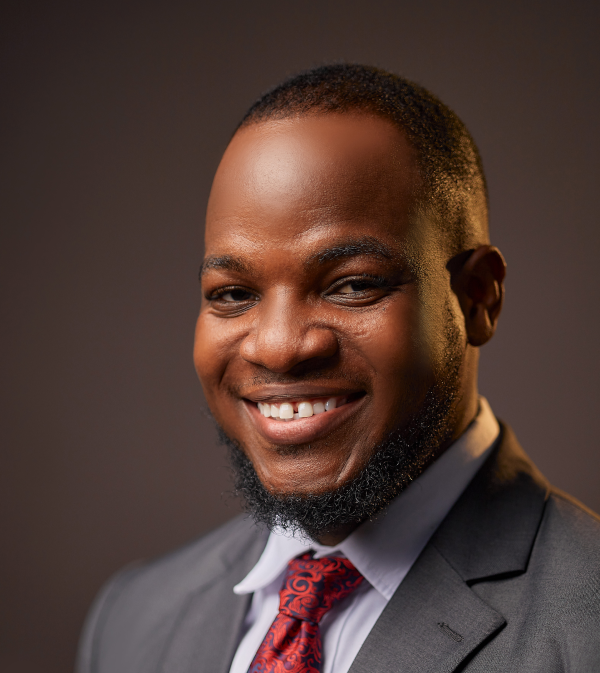
David Quaye
Main MC and Moderator for First Panel
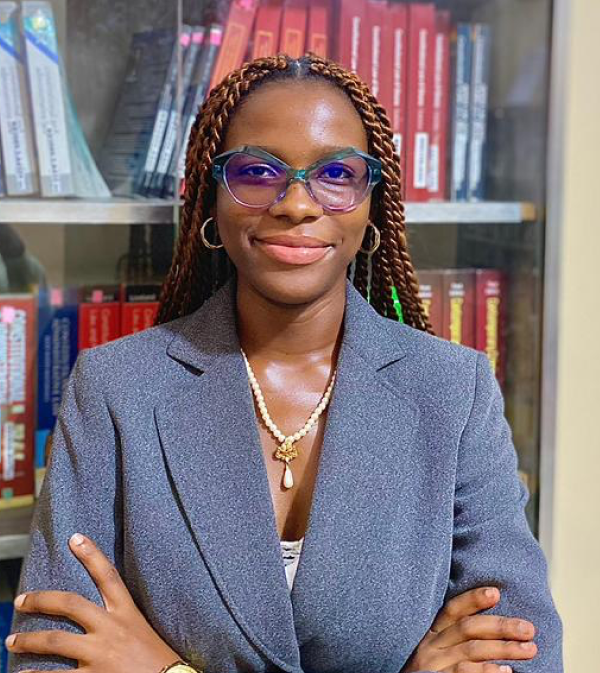
Daniella Hyde
Moderator for Second Panel

Abugre Mary Ayaaba
Moderator for Third Panel
I personally think it should be treated as a crime only when measures are put in place to secure an active system as alternatives to prevent citizens from destroying the environment.
As some destruction tend to be the only solution they see. For instance if we want to treat dumping refuge carelessly, then we should be able to create a system for proper waste management. And of course we do not expect the average Ghanaian and below to pay monthly for the wastes to be managed.