EPA’S BAN ON STYROFOAM IN JANUARY: A STEP TOWARDS ENVIRONMENTAL SUSTAINABILITY
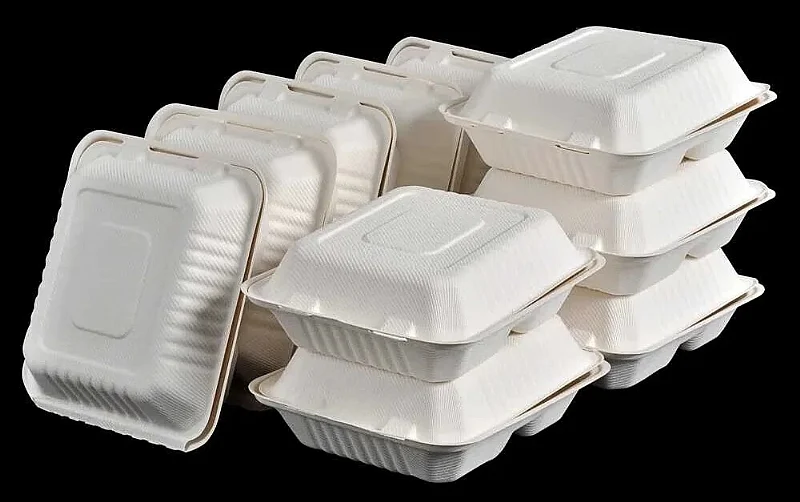
The next time you buy waakye, fried rice, or banku from a food vendor, pause for a moment and ask yourself a difficult question: where does that takeaway pack end up after ten minutes of use?
Not in a day.
Not in a month.
But years later.
Most likely, it ends up in a choked gutter during the rainy season, floating in a lagoon, scattered along a roadside, or buried beneath layers of unmanaged waste. Long after the food is gone, the Styrofoam remains. That is the uncomfortable reality behind Ghana’s recent decision to ban Styrofoam takeaway packs from January 1 2027, a policy announcement by the Environmental Protection Authority (EPA) that has rapidly become one of the country’s most discussed environmental issues.
For many people, Styrofoam represents convenience because it is cheap, lightweight, and accessible. It has become deeply woven into Ghana’s fast-moving urban lifestyle and informal food economy. Yet what appears convenient at the point of consumption has quietly become one of the country’s most persistent environmental burdens.
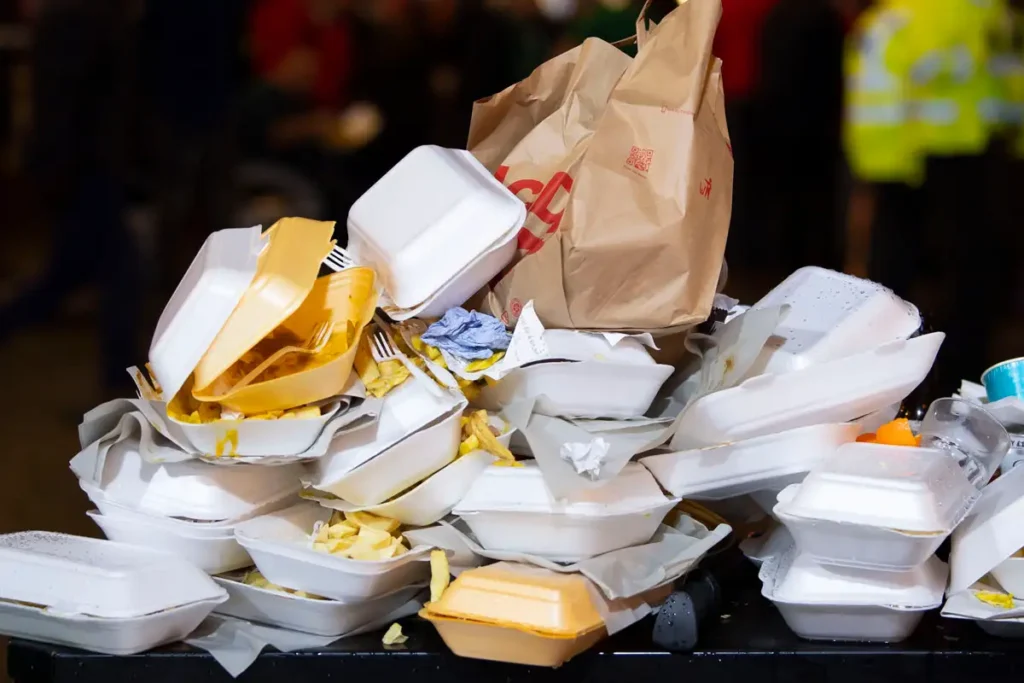
Across the cities, plastics and Styrofoam waste continue to overwhelm drainage systems, worsen flooding, pollute water bodies and weaken sanitation management efforts. In Accra alone, studies show that plastics make up roughly about 10-16% of total municipal solid waste, and a significant share of this waste ends up in open drains during rainfall events, where it accumulates and restrict water flow. The environmental cost of single-use convenience is becoming impossible to ignore. The EPA’s decision therefore represents more than a ban on takeaway packs. Instead, it signals a broader shift in national thinking, one that recognises that environmental sustainability can no longer remain secondary to convenience and consumption.
This conversation is not merely about packaging; it is about responsibility. For decades, Ghana’s environmental challenges have often been addressed reactively rather than preventively. In cities like Accra, research on flood vulnerability shows that blocked drains caused by solid waste accumulation, combined with insufficient drainage capacity, are key drivers of recurrent urban flooding affecting about one-third of flood-prone zones in the metropolis. When floods occur gutters are dredged, waste accumulates and there’s a call for emergency clean-up exercises. Yet little attention has been paid to the everyday consumption habits driving the crisis in the first place.
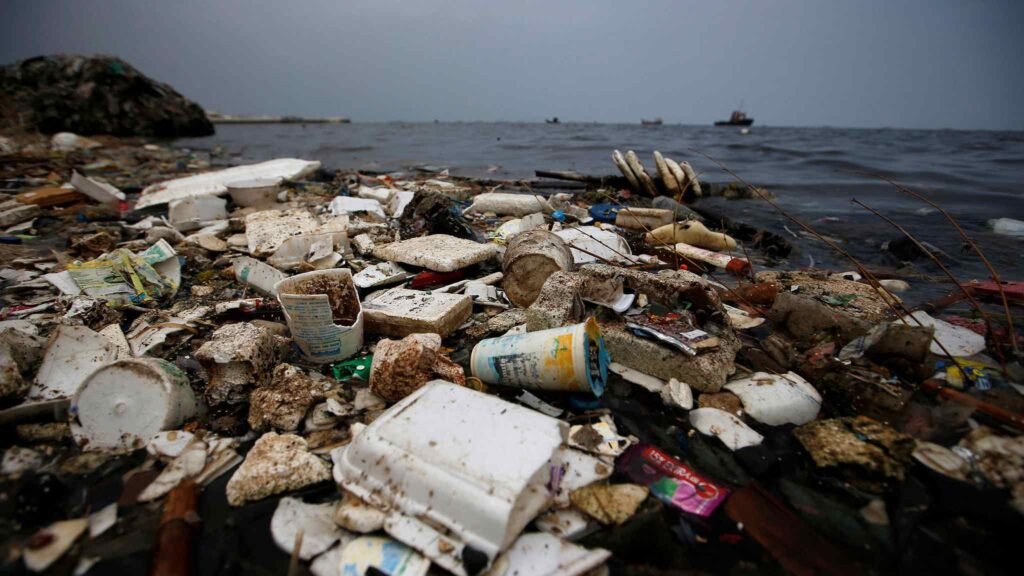
Styrofoam is particularly problematic because it does not biodegrade naturally. Instead, it fragments into smaller particles that persist in the environment for years, contaminating ecosystems and threatening aquatic life. In many cases, these materials are burned openly, releasing harmful pollutants into the atmosphere. The continued dependence on single-use foam products is simply incompatible with the future Ghana claims to pursue an environmentally friendly and sustainable environment for the citizens.
The significance of this policy extends beyond environmental protection alone. The ban creates an opportunity for innovation, green enterprise development, and sustainable local manufacturing. Businesses producing biodegradable packaging, reusable containers, and paper-based alternatives are likely to see increased demand. Young entrepreneurs now have space to rethink packaging through sustainability-driven innovation. At the same time, concerns from food vendors and small businesses must be taken seriously. A successful transition will require affordable alternatives, public sensitisation, and practical implementation strategies. Environmental policies cannot succeed through enforcement alone; they must be supported by public trust and economic realism.
Still, the central message remains unavoidable: Ghana’s waste crisis cannot be solved while disposable culture continues unchecked. The Styrofoam ban may inconvenience consumers temporarily but environmental sustainability has never been built on convenience. It is built on difficult choices, long-term thinking, and collective responsibility. Perhaps that is why this moment matters. Because beyond the politics, the headlines, and the social media debates, Ghana is finally being forced to confront a larger question: What kind of environmental future does the country truly want to build?