
Flood or Drought? Achimota Students Could Not Choose. So They Planted Trees Instead.
On 24 July 2026, Eco-Africa Network Ghana and Star Life Assurance brought climate action to the heart of one of Ghana's most iconic schools. Over 300 trees were planted. But the most powerful moment was a question nobody could answer.
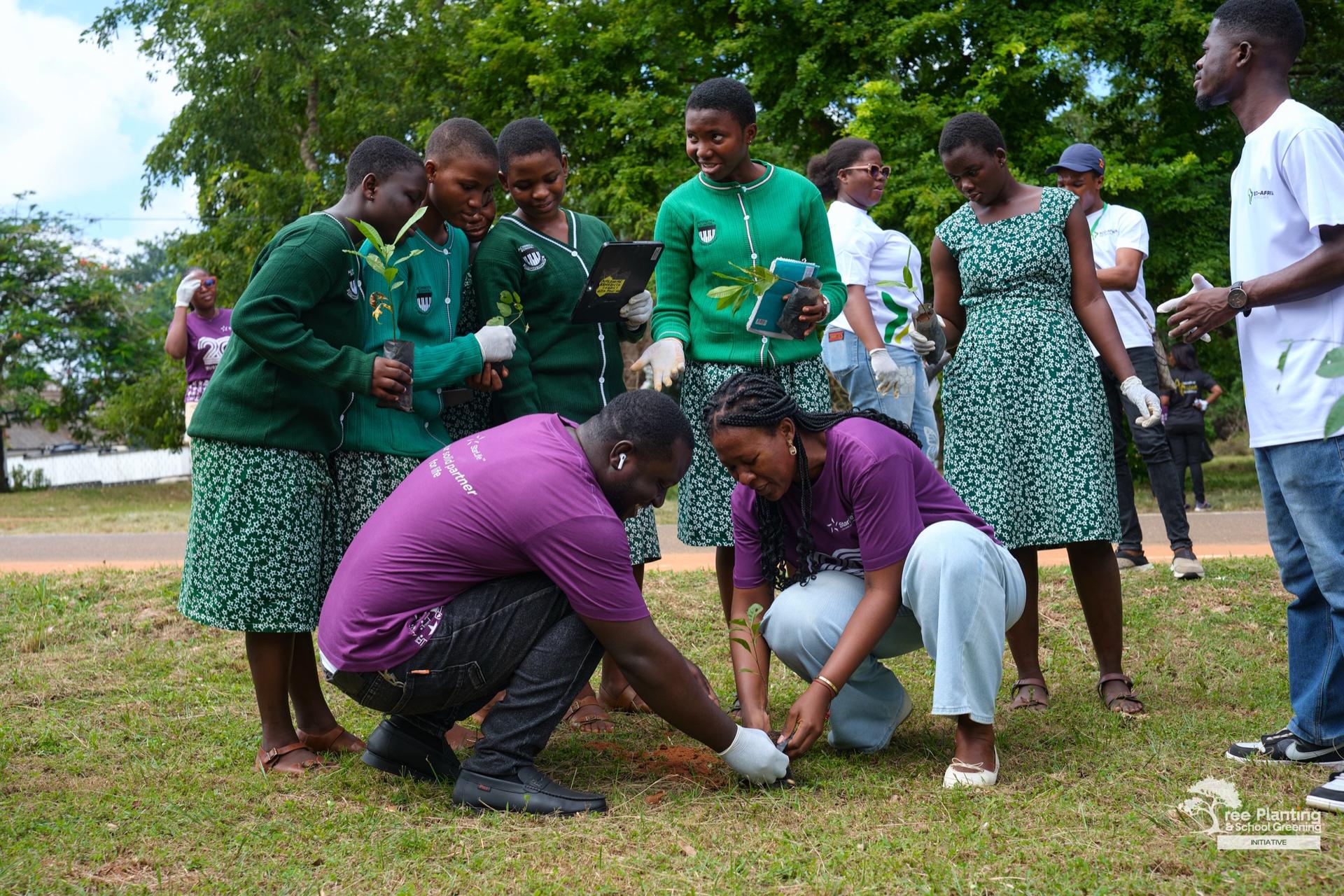
On the morning of Thursday, 24 July 2026, the compound of Achimota Senior High School looked different from most World Environment Days. There were no distant speeches about saving the planet. No posters on classroom walls about going green. Instead, there were over 300 students in their school uniforms, gloves on their hands, standing over freshly dug holes in the school grounds, holding young saplings they were about to plant with their own hands.
The occasion was the Eco-Africa Network Ghana and Star Life Assurance Tree Planting and School Greening Initiative, the second edition of a programme that began in 2025 and has grown into one of the most direct expressions of what youth-led climate action can look like in practice. By the time the morning's programme concluded, over 300 trees had been planted across the school campus, and a generation of students had done something that no textbook lesson on climate change could replicate: they had acted.
A Morning Built Around Action
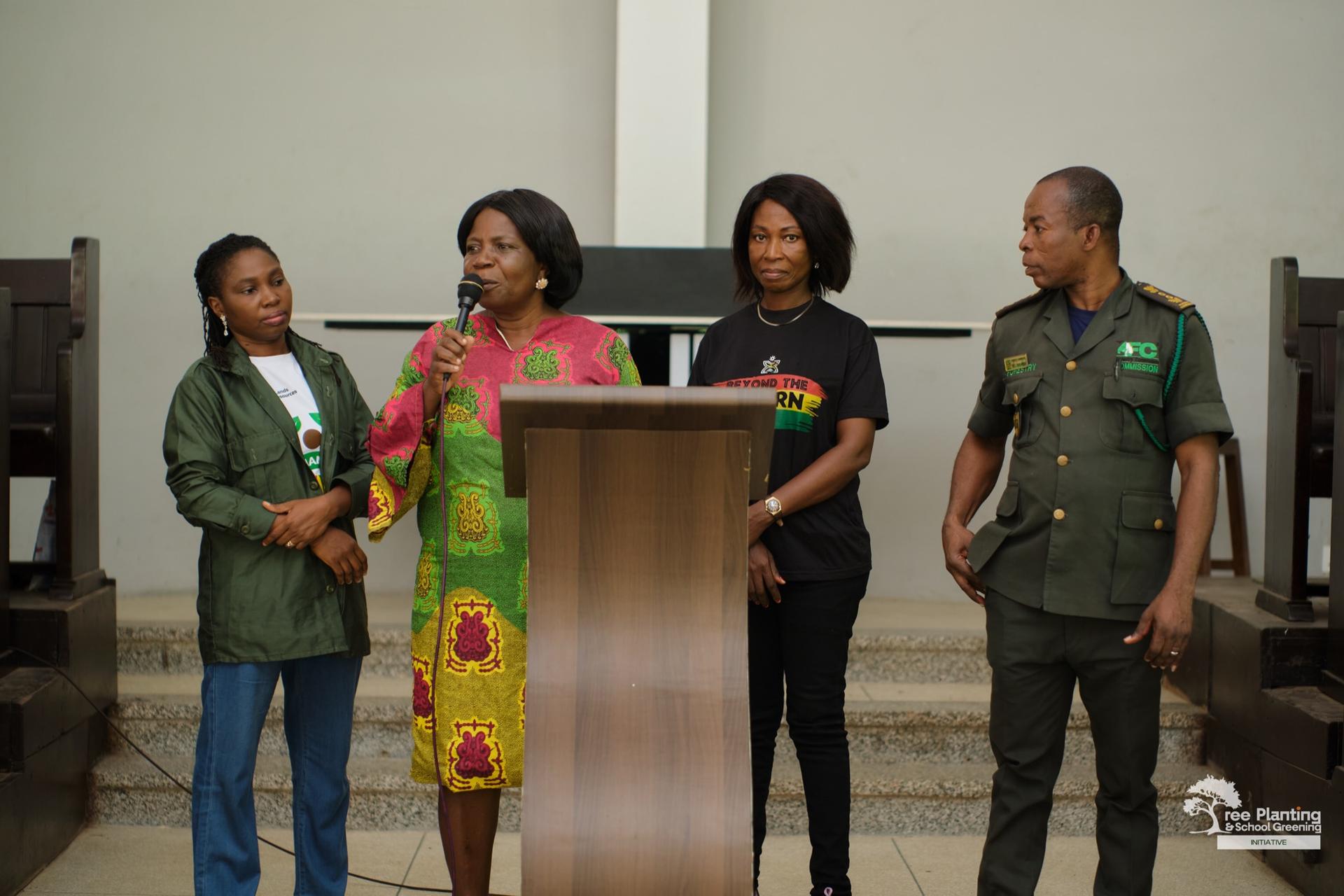
The programme began at 8am with the setup of equipment, tools, saplings, and branding materials across the school grounds. By 9am, students had been guided to their seats and the formal session opened with a prayer and a welcome address from Zenas, Head of Programs at Eco-Africa Network Ghana, who outlined the vision behind the initiative and the central role young people must play in responding to the climate crisis.
Mr. Ebenezer Graham Acquah, Headmaster of Achimota Senior High School, took the floor to affirm the school's commitment to environmental sustainability and the greening of its campus. His remarks framed the day not as a one-off activity but as part of a longer journey toward making Achimota a truly green school, where sustainability is lived and not just studied.
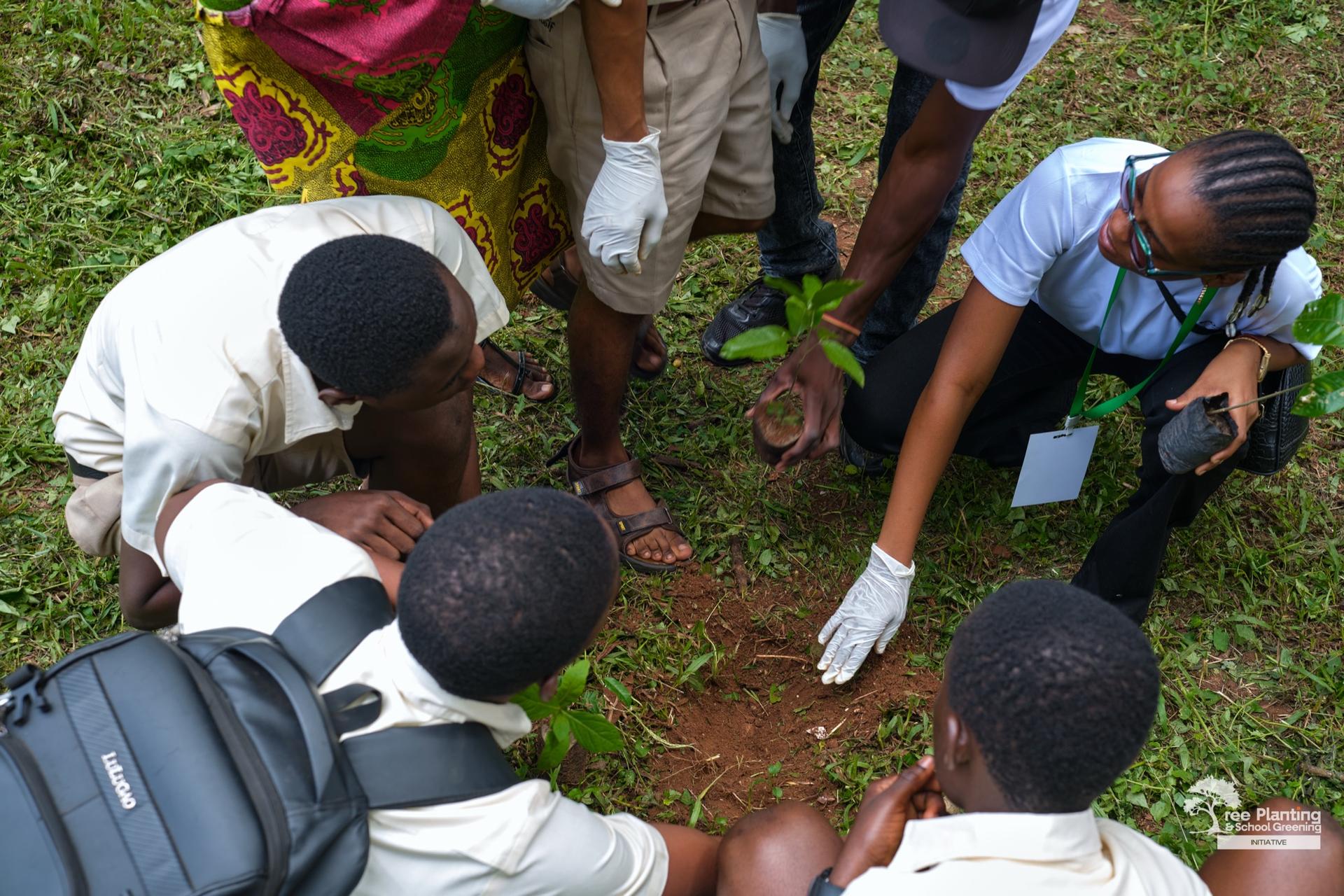
Rev. Obour, Regional Manager of the Forestry Commission of Ghana, followed with remarks that grounded the initiative in national policy, outlining the government's strategy for sustainable forest management and biodiversity conservation, and affirming the Commission's support for youth-driven climate action. The Forestry Commission also led a technical demonstration on proper planting techniques, showing students how to dig, place a sapling, refill the soil, and water correctly, ensuring the trees would have the best possible chance of survival.
Mercy Simpson, Head of Brand and Communications at Star Life Assurance, delivered a brief but pointed address on behalf of the event's headline sponsor. She spoke about the company's belief that protecting life must go beyond insurance policies and into the environment that sustains all life, and affirmed Star Life Assurance's commitment to a sustainable future through meaningful corporate action.
The Question Nobody Could Answer
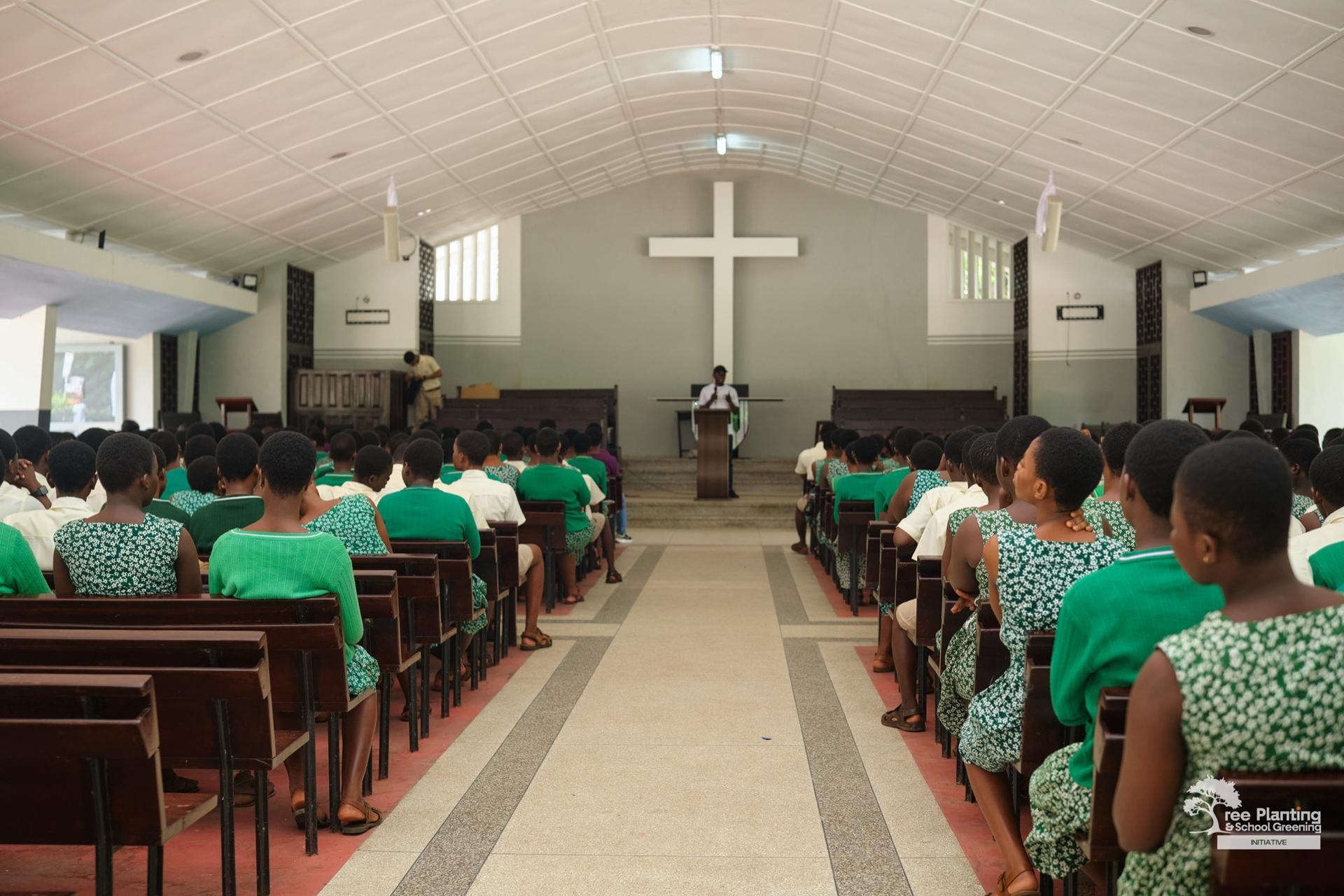
The climate education session, delivered by Mohammed Kamil, Head of Communications at Eco-Africa Network Ghana, was designed to be a conversation rather than a lecture. It covered the Sustainable Development Goals, with particular emphasis on SDG 13: Climate Action, and explored the science and lived reality of climate change in language accessible to Senior High School students.
But the moment that captured the room came from a simple question.
Kamil, who grew up in Yendi in the Northern Region of Ghana and has witnessed firsthand the devastation that persistent drought brings to farming communities, asked the students to consider two realities sitting side by side in their own country. In the North, farmers are watching rains fail, harvests disappear, and livelihoods built over generations crumble under the weight of an increasingly unforgiving dry season. In Accra, just kilometres away, the same climate crisis is expressing itself in the opposite direction, with rainfall rising from 85 millimetres in June 2024 to 333 millimetres in June 2026, flooding homes, closing roads, and displacing families.
"Would you rather live with the flood, or with the drought?" -- Mohammed Kamil, Head of Communications, Eco-Africa Network Ghana
The students fell quiet. Some looked at each other. None could answer. Because there is no good answer. Both are faces of the same crisis, and the weight of that realisation settled over the assembly in a way that statistics alone rarely achieve. Climate change is not an abstract future threat. It is two Ghanas, experiencing the same broken climate in two different and equally devastating ways, right now.
It was in that silence that the purpose of the morning became most clear. The trees they were about to plant were not a school activity. They were a response.
Three Hundred Students. Three Hundred Trees. One Commitment.
At 10:30am, students split into groups and spread across designated zones of the school campus. For the next sixty minutes, the compound of Achimota Senior High School was alive with the sound and energy of young people doing something concrete. Many were planting a tree for the first time in their lives. The excitement was visible and unforced. Students crouched over the soil, worked together to steady saplings, and took genuine pride in what they were building.
The mood was not solemn. It was joyful. And that joy carried something important inside it: the experience of agency. These students were not being told that the planet was in trouble and that someone, somewhere, needed to do something. They were the ones doing it.
By the time the main planting session concluded, over 300 trees had been planted across the school grounds. The School Green Club at Achimota Senior High School took formal ownership of the watering and monitoring plan, with the sustainability of the trees entrusted to the very students who had planted them.
What Comes Next
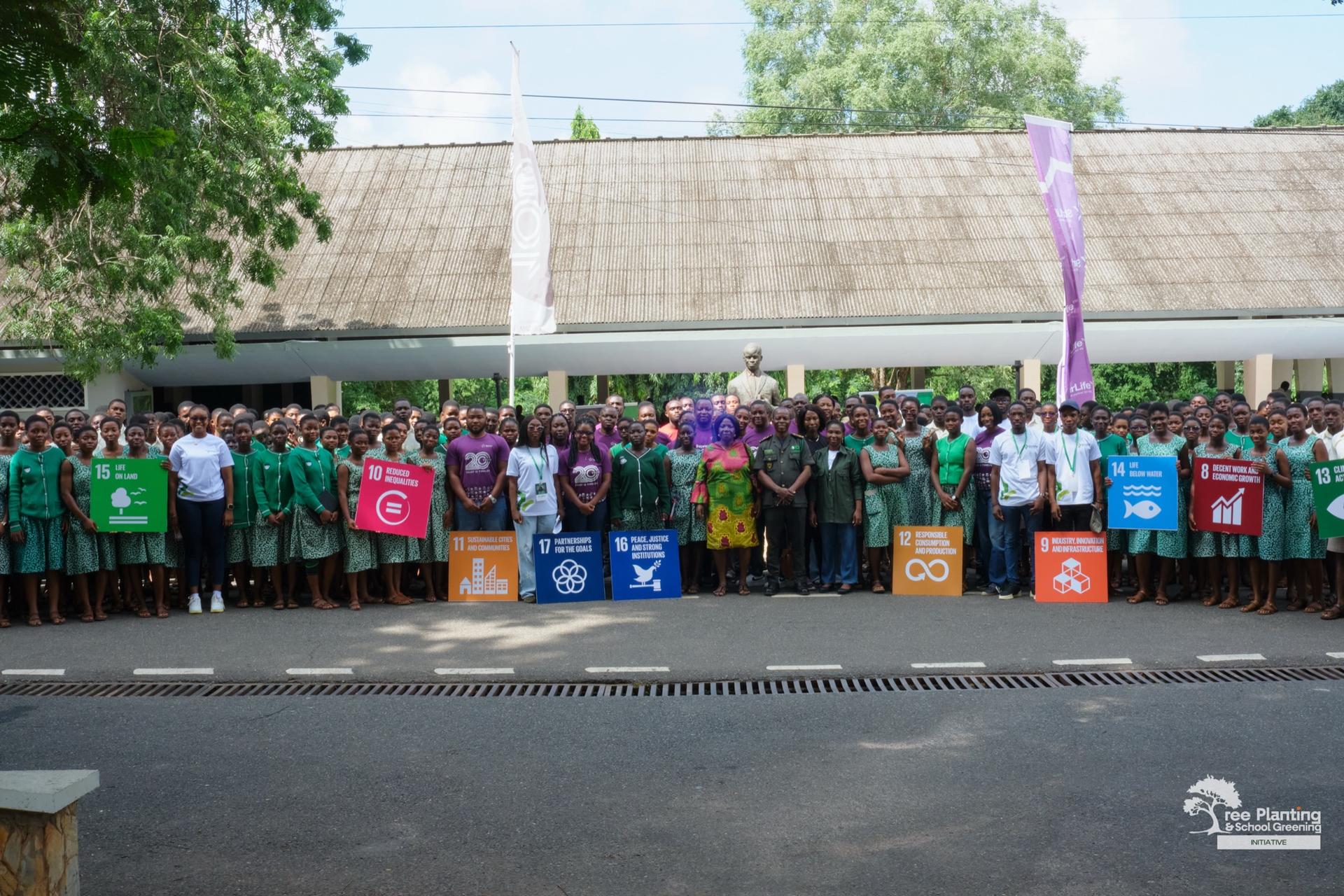
The programme closed with a vote of thanks from Derrick, Head of Partnerships at Eco-Africa Network Ghana, followed by a closing prayer and a group photo session that captured students, staff, sponsors, and partners standing together beside their newly planted trees.
The trees planted on 24 July 2026 will not reach full maturity for years. But the students who planted them will watch them grow. They will walk past them on their way to class. They will study beneath their shade. And in time, they will point them out to people who were not there that morning and say: I planted that.
That is precisely what the Eco-Africa Network Ghana and Star Life Assurance Tree Planting and School Greening Initiative is designed to create: not just trees, but a generation of young Ghanaians who understand their relationship to the environment, who have exercised their power to improve it, and who carry that experience forward into every decision they make.
The 2026 edition planted over 300 trees across Achimota Senior High School. The initiative, which began with 250 trees at Hohoe EP Senior High School in 2025, continues to grow. And so do the trees.
-- Mohammed Kamil
Head of Communications, Eco-Africa Network Ghana